


My Very Hungry Caterpillar
4.01.31K Reviews
App Specs
- Version
- 4.1.1
- Updated On
- License
- Free
- Downloads
- 5,000,000+
- Developer
- StoryToys
- Categories
- Educational
- Platform
- Android
Screenshots
 Analysis by AppCompare
Before installing, I’d set expectations around a small, gentle activity rather than a game with levels to beat. My Very Hungry Caterpillar is aimed at young children: the appeal is caring for a character, noticing what it does, and returning to its little world for short play sessions. I find that framing useful for a first try, because the best measure of success is a child happily feeding or exploring, not finishing a challenge.
A calm first session works best
I’d introduce it when a child has a few unhurried minutes, perhaps after a story or during a quiet break. Sit together at first and let the child choose what to tap rather than demonstrating every interaction. That keeps discovery part of the fun and gives you a chance to see whether they understand the basic touch controls without turning the game into a lesson.
The game is free to start, and it is made by StoryToys. It has an Everyone age rating, which suits its child-focused presentation, but I would still treat it as shared screen time for very young players. The average rating is 4.1 from around 13,000 ratings, and it has more than a million installs. Those figures suggest a well-established audience, though they do not tell you whether its quiet, repetitive style will suit your particular child.
From opening the game to a first success
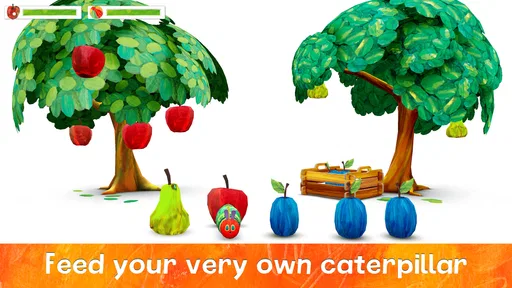
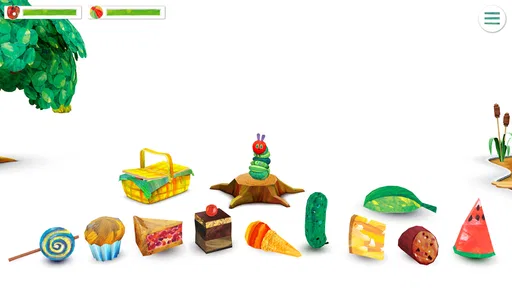
For a first meaningful action, I’d begin with feeding. Choose a fruit and drag it toward the caterpillar; once the character responds, give the child time to notice the animation and sound before moving on. That simple loop is a reassuring introduction because the response is visible and immediate. If a child misses the target, I’d let them try again instead of taking over the screen.
After that, try one other activity rather than showing everything at once. A trip to the pond or a tap on an object can turn the session into a small discovery without overwhelming a first-time player. This is also a practical way to find out what holds a child’s attention: some will want to repeat feeding, while others will be more interested in seeing what happens around the environment.
There is no need to explain the growth theme in detail before playing. I’d use a child’s own observations as a starting point: ask what the caterpillar is doing, what it might want next, or what they notice changing. The game works better as a prompt for conversation than as a substitute for a book or a structured science activity.
Getting to Know My Very Hungry Caterpillar
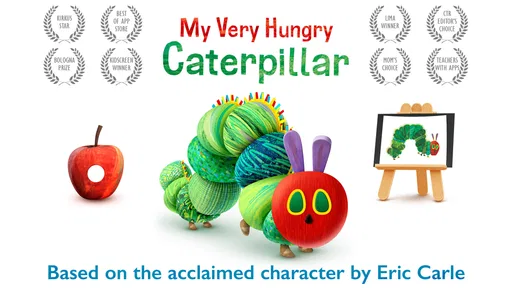
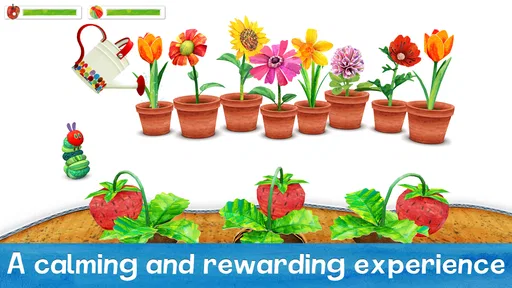
So, what's the buzz about My Very Hungry Caterpillar? It's an interactive app where you get to take care of your very own caterpillar, feeding it, playing with it, and watching it transform day by day. The app brings the vibrant illustrations of Eric Carle to life, and the interface is as friendly as it gets. I found myself instantly captivated by the colorful, animated world that feels like a storybook come alive.
Worth Reading Before You Choose

EA SPORTS FC Mobile 26 Is a Bigger Football Game, but It Takes Time

Flipboard Shows What News Apps Must Do Beyond the Feed

Switching to Android Auto Means Rethinking Your Driving Routine

Google Calendar Makes a Crowded Week Easier to Manage

Ludo King Makes the Most of the Minutes Between Plans

Baby Panda World Brings Quick Play to Modern Phones, but Its Game Library Feels Busy
Engaging Gameplay
The gameplay is simple yet engaging. You start with a tiny caterpillar that you can feed with various fruits. The feeding process is interactive, allowing you to drag the fruits to your caterpillar. Not only does it nibble away at the fruits, but it's also quite fun to watch its joyful animations each time it eats. There’s something incredibly satisfying about seeing your little buddy munch away happily.
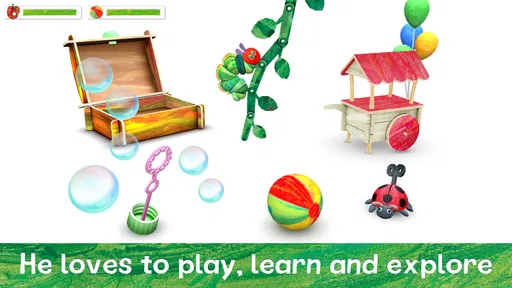
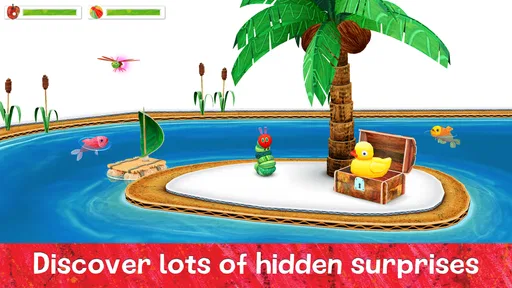
But it doesn't stop at feeding. There are other activities to keep your caterpillar entertained. You can take it to a pond to play with rubber ducks or let it explore its surroundings by tapping on different objects. The app cleverly mixes these playful elements with educational tidbits, subtly teaching kids about nature and growth cycles.
Graphics and Sound
The graphics are where this app truly shines. The vibrant colors and whimsical animations are exactly what you'd expect from an Eric Carle-inspired app. It's like stepping into a moving picture book, and every visual element is crafted to please both kids and adults alike. The sound effects further enhance the experience. From the crunch of an apple to the playful giggles of your caterpillar, every sound feels perfectly synced to the actions.
For a child who is still learning how to use a touchscreen, this is more forgiving than a game that depends on precise timing or small controls. I’d still keep the first attempts close by: a child may tap around expecting every detail to react, while the pleasure here comes from a handful of clear interactions rather than a fully open-ended toy. That distinction helps avoid the impression that something is broken when a tap does not produce an obvious response.
Learning and Development
What I genuinely appreciate about My Very Hungry Caterpillar is its subtle educational value. As you interact with your caterpillar, you're not just playing; you're learning about responsibility and the natural world. The app introduces basic concepts of growth and development, making it an ideal tool for young children.
Moreover, it encourages curiosity and exploration. Kids can tap around the environment and discover different surprises, which keeps them engaged and eager to learn more. This aspect of the app makes it a great choice for parents looking to combine fun with learning.
One useful way to stretch the play without adding pressure is to turn a repeated action into a tiny observation game. After the caterpillar eats, ask the child to describe what they saw or heard; when exploring, invite them to point out one new detail. These prompts make the same familiar scene feel more active, while keeping the child in charge of the pace. I would not expect the game to teach reading or deliver a formal lesson, though: its learning is experiential and conversational.
User Experience and Accessibility
The app is designed with the user in mind. It’s intuitive and easy for children to navigate, which is a big win in my book. There's no frustration of complex menus or confusing instructions. Instead, everything is laid out clearly, making it accessible even for the youngest users.
Additionally, the app doesn’t bombard you with ads or in-app purchases, which is refreshing. It’s a safe space for kids to play without the constant interruptions that are so common in many other apps.
For a parent deciding whether to keep it installed, the practical question is how often the child enjoys repeating its core activities. It is a better fit for a short, calm routine than for a long stretch of varied gameplay. I might offer it while waiting for a meal or winding down at home, then put the device away when the child has had enough. If they quickly ask for new tasks, harder puzzles, or a clear sense of achievement, a more structured educational game will probably hold their attention better.
The game is free, with optional in-app purchases priced at $4.99 per item, so I’d check the purchase settings on the device before handing it over. The free experience is a sensible way to see whether a child connects with the caterpillar, but paid items can change the overall value calculation for a family. The current version is 3.5.2 and requires Android 5.1 or later, details worth checking against an older device before installing.
When it suits your routine—and when it doesn’t
I’d recommend it most to a preschool-age child who likes picture books, gentle characters, and repeating familiar actions. It can also work as a low-pressure first app for a child who is just getting used to tapping and dragging. On the other hand, families looking for competitive play, lots of distinct stages, or a clear learning path with increasingly difficult tasks may find it too light. In those cases, a puzzle game or a more structured early-learning app is a better match.
Compared with a digital storybook, this offers more direct interaction: the child can feed and play rather than only follow pages. Compared with a typical educational game, it is less focused on right answers and practice drills. That is both its charm and its limit. I like it when the goal is to share a gentle moment and encourage curiosity, but I would choose a more instructional alternative when a child needs focused practice with specific skills.
A realistic use case is a short wait at home while dinner is being prepared. I’d open the game, let the child feed the caterpillar, then invite them to explore one object or play at the pond. If attention fades, there is no need to push toward a target or keep the session going. The activity is easiest to enjoy when it stays optional and brief, rather than becoming a reward or a substitute for outside play and shared reading.
Keeping the experience comfortable
Because the interactions are simple, a child may want to repeat the same action several times. I see that repetition as a strength when the child is practicing cause and effect, but it can feel limited to an older child who expects frequent novelty. A useful approach is to let the child choose the activity, then end on their own cue instead of trying to make every session cover the whole game. That keeps a gentle app from becoming another task to complete.
If you are unsure whether it is right for your household, try one shared session before deciding. Notice whether the child can manage the fruit-dragging interaction, whether the sounds and animations keep them engaged, and whether the play invites conversation. Those are more useful signals than a general popularity figure. The game is free to begin, but the optional purchases mean I would review the device’s purchase controls first, especially if a child plays without an adult beside them.
Final Thoughts
In conclusion, My Very Hungry Caterpillar is a delightful app that brings the magic of Eric Carle's classic book into the digital age. Its combination of engaging gameplay, beautiful graphics, and educational value makes it a standout choice for parents and children alike. Whether you're a fan of the original story or just looking for a fun and educational app for your little ones, this app is definitely worth checking out. It's a feast for the eyes and a joy for the imagination, and I wholeheartedly recommend giving it a try!
My recommendation comes with one qualification: choose it for the experience it offers, not for a deep curriculum or a steady stream of new challenges. If a child responds to the caterpillar’s small routines, it can make an appealing shared pause in the day and an easy way to spark a conversation about what they notice. If they want more structure, I’d move on without hesitation. For a first introduction to gentle interactive play, though, I think it is a warm, approachable place to start.
Pros
- Engaging interactive animations.
- Beautifully crafted graphics.
- Educational content for kids.
- Simple
- intuitive controls.
- Encourages creativity and exploration.
Cons
- Limited content for older users.
- Requires frequent updates.
- In-app purchases can be pricey.
- May consume significant storage.
- No offline mode available.
FAQs for My Very Hungry Caterpillar
What is the main objective of My Very Hungry Caterpillar?
My Very Hungry Caterpillar is an interactive app designed for young children, based on the classic children's book by Eric Carle. The main objective is to nurture and care for the caterpillar as it grows, while engaging in activities like feeding, playing, and exploring. This app encourages creativity and learning through play.
Is My Very Hungry Caterpillar educational?
Yes, the app is educational. It introduces children to the concepts of growth, nurturing, and responsibility. Through interactive play, kids can learn about different foods and the life cycle of a caterpillar, fostering an understanding of nature and healthy habits in a fun and engaging way.
What age group is My Very Hungry Caterpillar suitable for?
My Very Hungry Caterpillar is designed for children aged 2 to 5 years old. The app's simple and intuitive interface makes it easy for young children to navigate. Its vibrant graphics and engaging activities are tailored to capture the attention and imagination of preschoolers.
Does My Very Hungry Caterpillar contain in-app purchases or ads?
The app is a premium purchase, meaning it does not contain ads, which ensures a safe environment for children. However, some versions might offer additional content or features through in-app purchases, so it's important for parents to check the settings and understand any potential costs involved.
Is My Very Hungry Caterpillar available on both Android and iOS?
Yes, My Very Hungry Caterpillar is available for download on both Android and iOS platforms. This ensures accessibility for a wide range of users, allowing them to enjoy the app on various devices, whether it's a smartphone or tablet.


